“Rooted in Tradition”
Porter & Prairie Family Farm
Porter, Oklahoma · Our story
A homestead husband and wife, six children, and ten acres of Oklahoma we hope to leave better than we found them.

Adam was born and raised in Tulsa and graduated from Bishop Kelley. Like a lot of Tulsa kids, he grew up close to farm country without living in it. In 2024 we moved a few miles down the road to Porter and started with a flock of chickens and a dream of feeding our neighbors.
“Whenever possible, deal directly with a local farmer, gardener, or orchardist.”
– Wendell Berry, “The Pleasures of Eating,” in What Are People For? (1990)
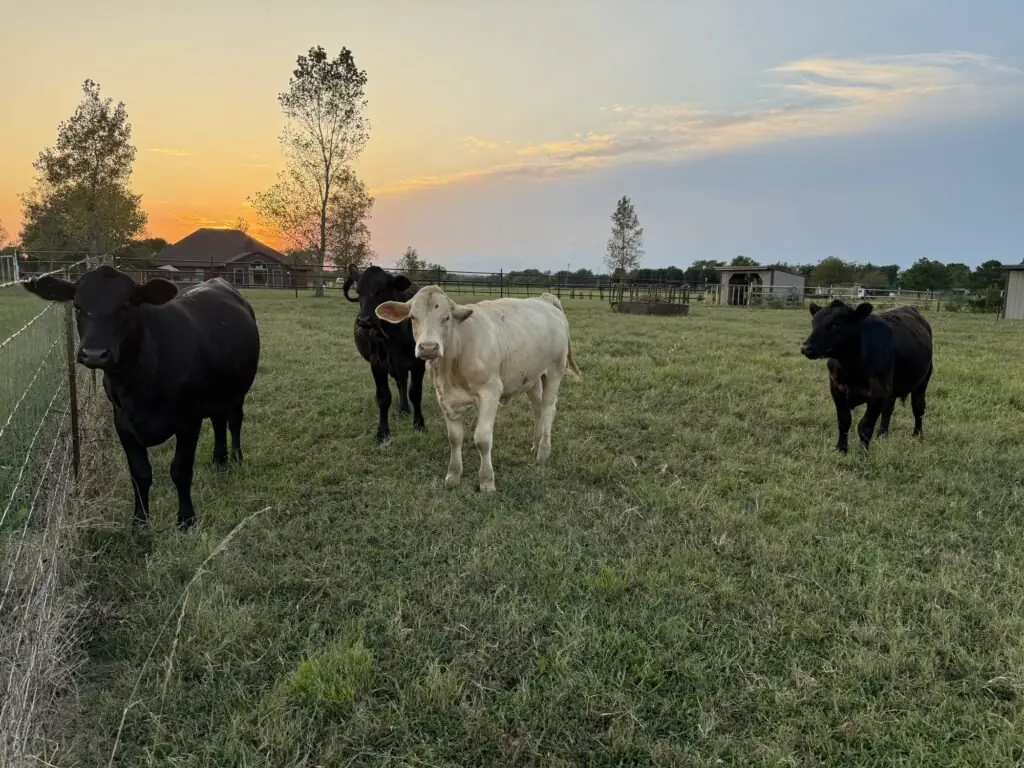
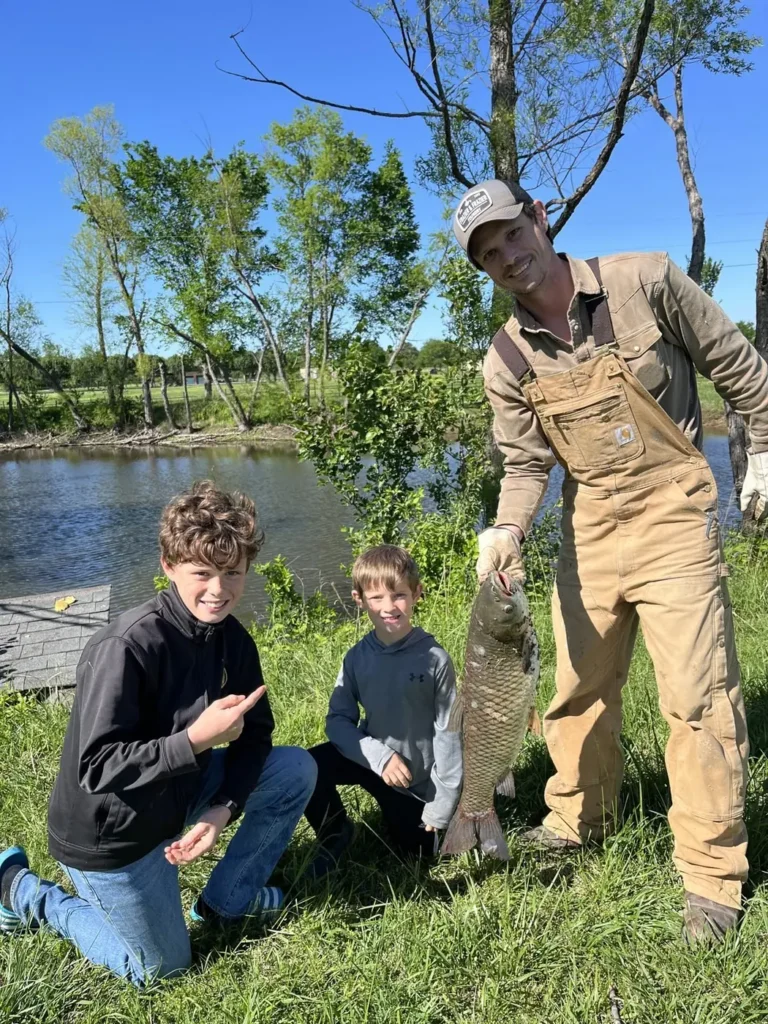
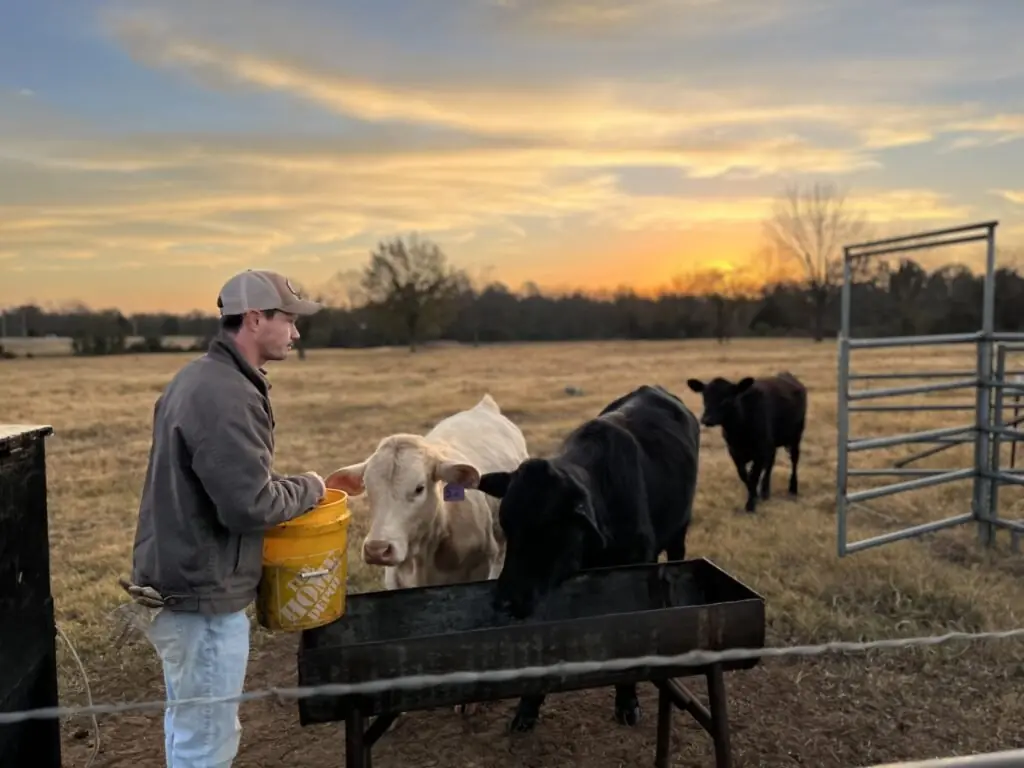
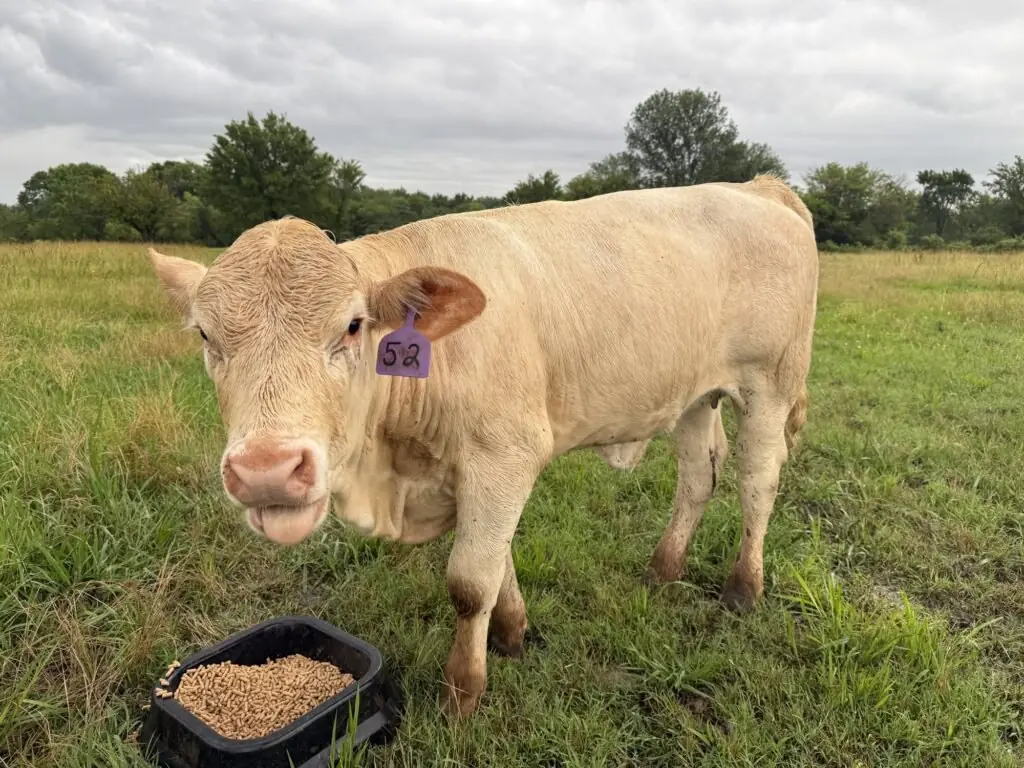
Today Porter & Prairie is about ten acres in Wagoner County: two ponds, pasture, a 50×50 family garden, a young orchard, about fifty laying hens, Berkshire-cross pigs, Charolais cattle, a 50×60 shop, and a greenhouse we’re rebuilding. It’s also, before anything else, our home.
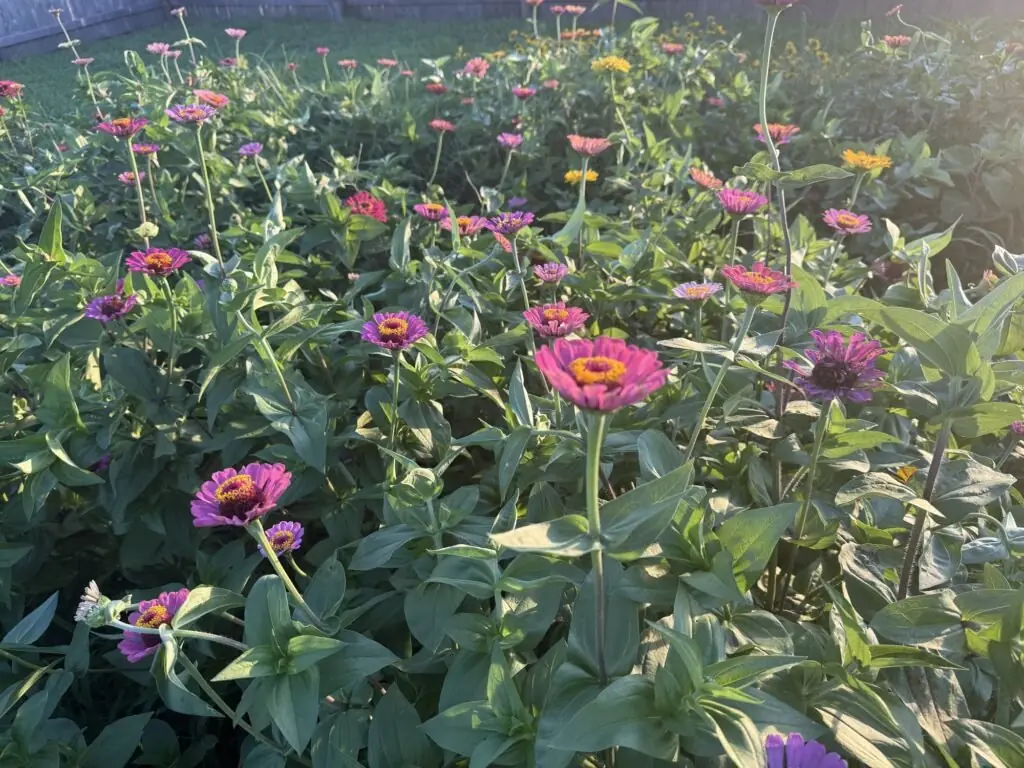
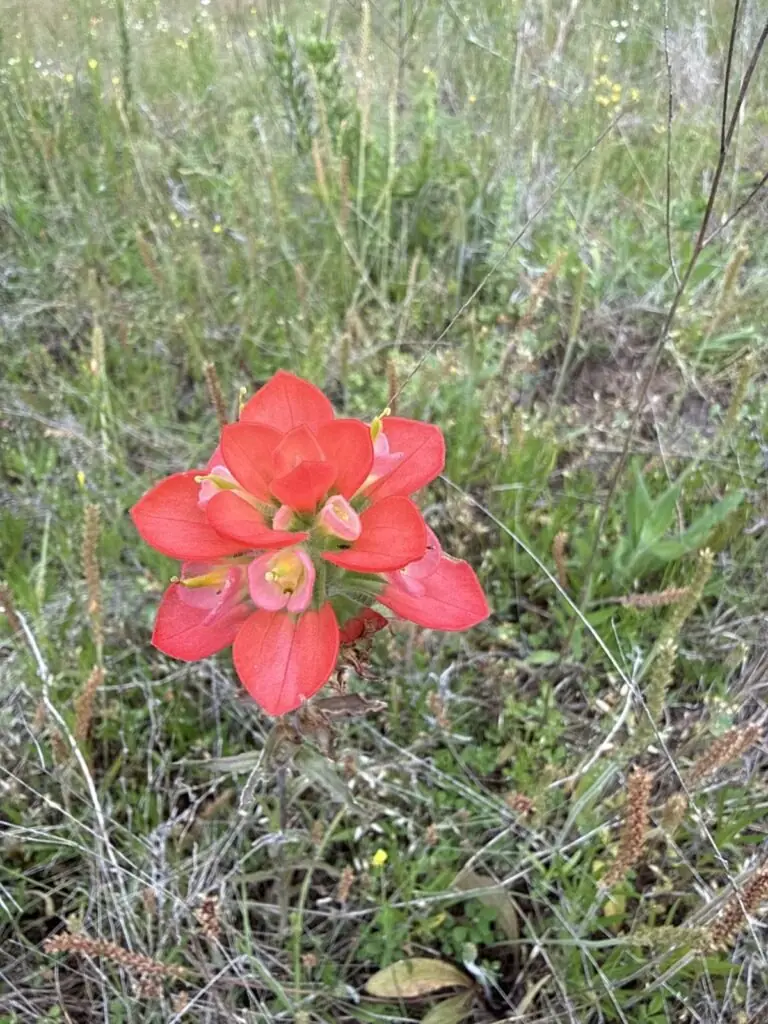
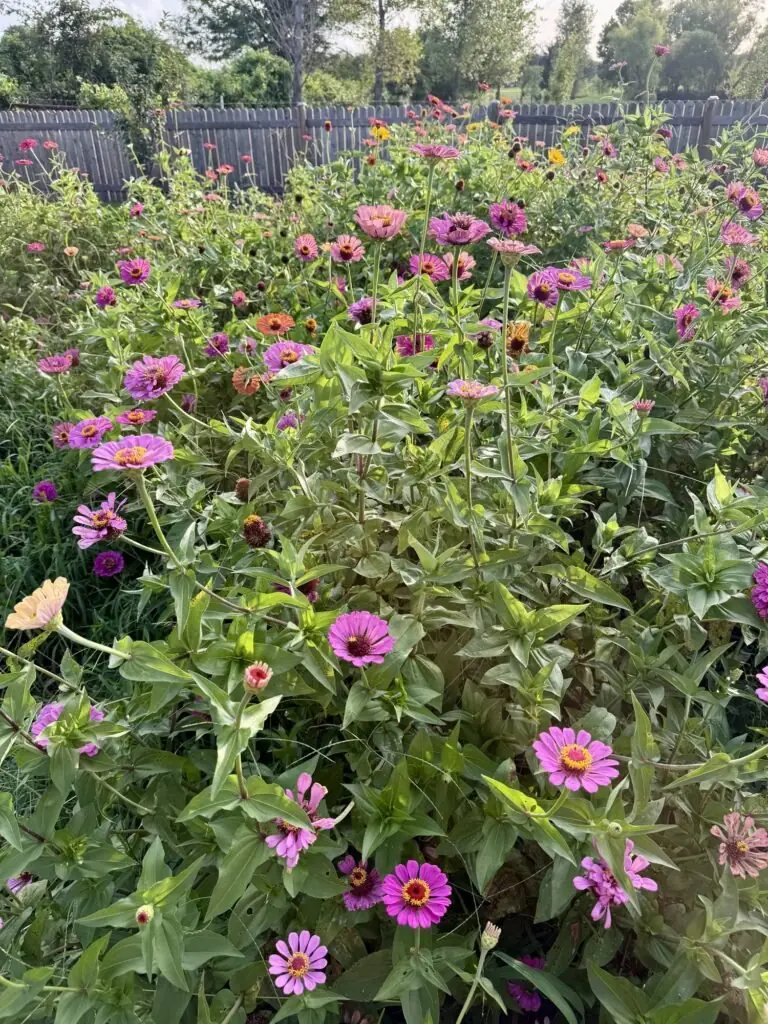
Haylee is the heart of our home and of the garden. Most of what grows here passes through her hands first: seedlings coaxed along in spring, rows kept through an Oklahoma summer, flowers that find their way to the table, and the hundred small acts of upkeep that keep a homestead whole. Virgil wrote of land that answers the patient care of the one who tends it. Here, that’s Haylee. Wherever she has been working, things are more alive and more beautiful than before.
Adam spends his off hours in the shop and out with the animals, building what the farm needs, which is most of the time fence repairs.
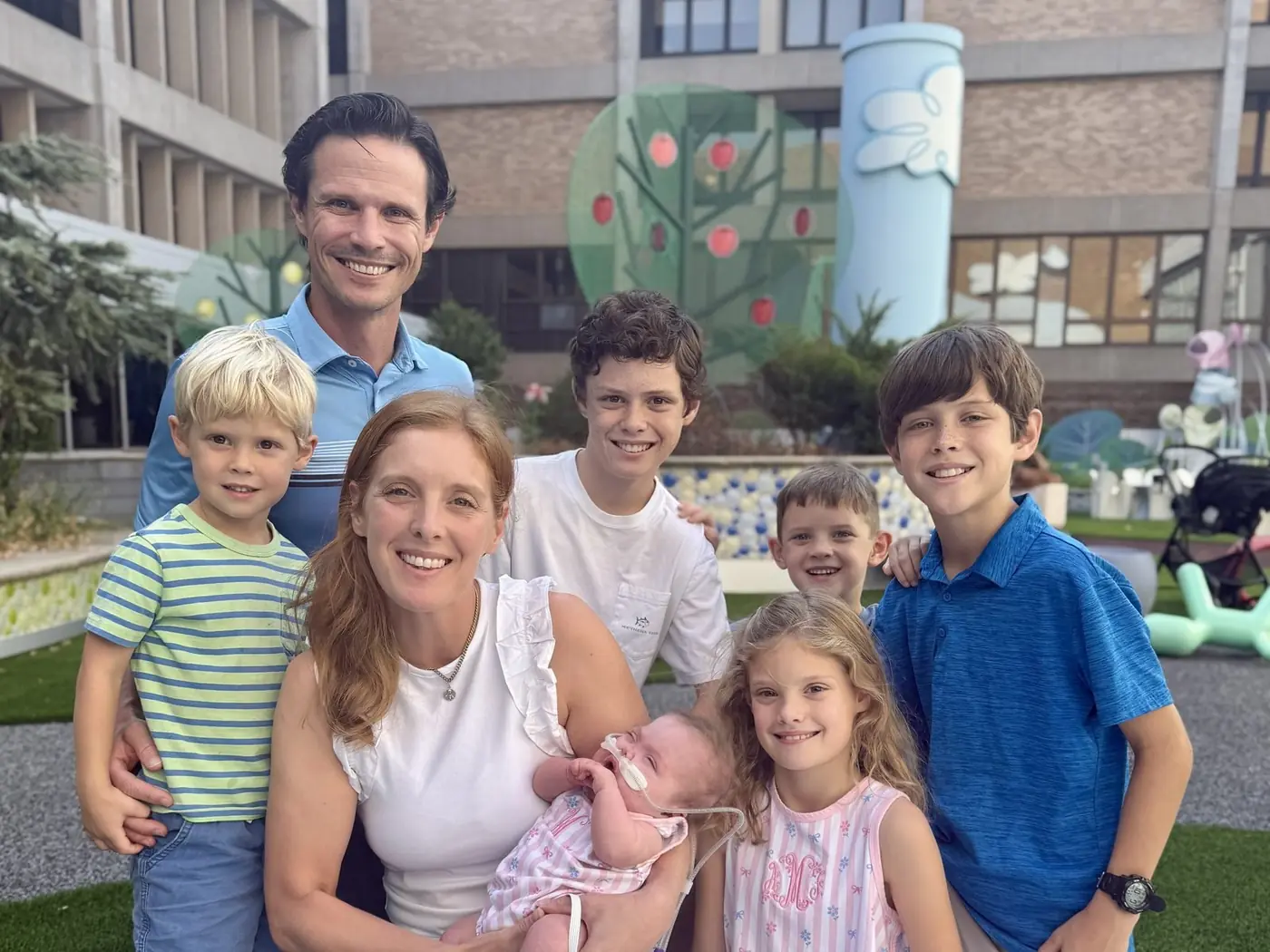
The kids, Luke, Jude, Anna, Leo, John and baby Mary, range from teenager to newborn. The older ones gather eggs, feed animals, haul water and hold strong opinions about which hen lays the best eggs. The younger ones supervise. Chickens don’t take off on Christmas or Easter, and neither do the chores. We hope our kids grow up knowing that hard work is a noble thing, worth doing well, and that it is never only for ourselves. A homestead keeps a family close: it gives a marriage shared work, gives children real responsibility, and folds prayer and faith into the ordinary rhythm of the day. We want our children to learn to think of our neighbors, too, and to see the egg stand at the end of the drive as one small way of caring for them.
Built for generations. We’re planting trees we may be grandparents before we fully enjoy. We’d rather do one thing slowly and well than many things fast.
The land is one living whole. Pasture, ponds, garden, orchard and animals all work together. The hens are part of the pasture, and the pasture is part of the ponds. We’re still learning how it all fits, and we try to listen to the land before we ask much of it.
Thrift is a virtue. We rebuild before we replace. The greenhouse is coming back panel by panel. The coop lives under the shop awning because that’s where the shade and shelter already were. Much of what the farm needs comes out of our own shop.
Feed your neighbors. A farm should feed the people around it. The honor-system stand is how we say thank you to Porter, Broken Arrow and Tulsa, and how we say we trust them.
Work, prayer and a full table. We’re a Catholic family. Our faith isn’t a slogan on the barn. It’s in the rhythm of the week: work six days, rest on the seventh (the stand is closed Sundays), and eat together as often as we can.


We’re a family that reads, and a handful of writers have shaped how we farm.
Joel Salatin. The Virginia farmer behind Polyface Farm showed a generation that animals on fresh pasture, moved often, can heal land instead of wearing it down. His idea that the best fertilizer is the farmer’s shadow, meaning you walk your land every day, is one we try to live.
Farmstead Meatsmith. Brandon and Lauren Sheard teach home-scale animal husbandry and butchery with deep respect for the animal and for the old skills. They’ve helped us think about raising pigs and cattle honestly, from pasture to table.
Fr. Vincent McNabb and the Catholic Land Movement. McNabb was an English Dominican friar who urged families to leave crowded industrial cities and go back to the land. In the 1930s his preaching, alongside G.K. Chesterton and Hilaire Belloc’s ideas about widespread ownership, helped inspire the Catholic Land Movement, an effort to settle families on small farms of their own. We took him at his word: ten acres, six kids, thirteen trees and one very patient greenhouse.
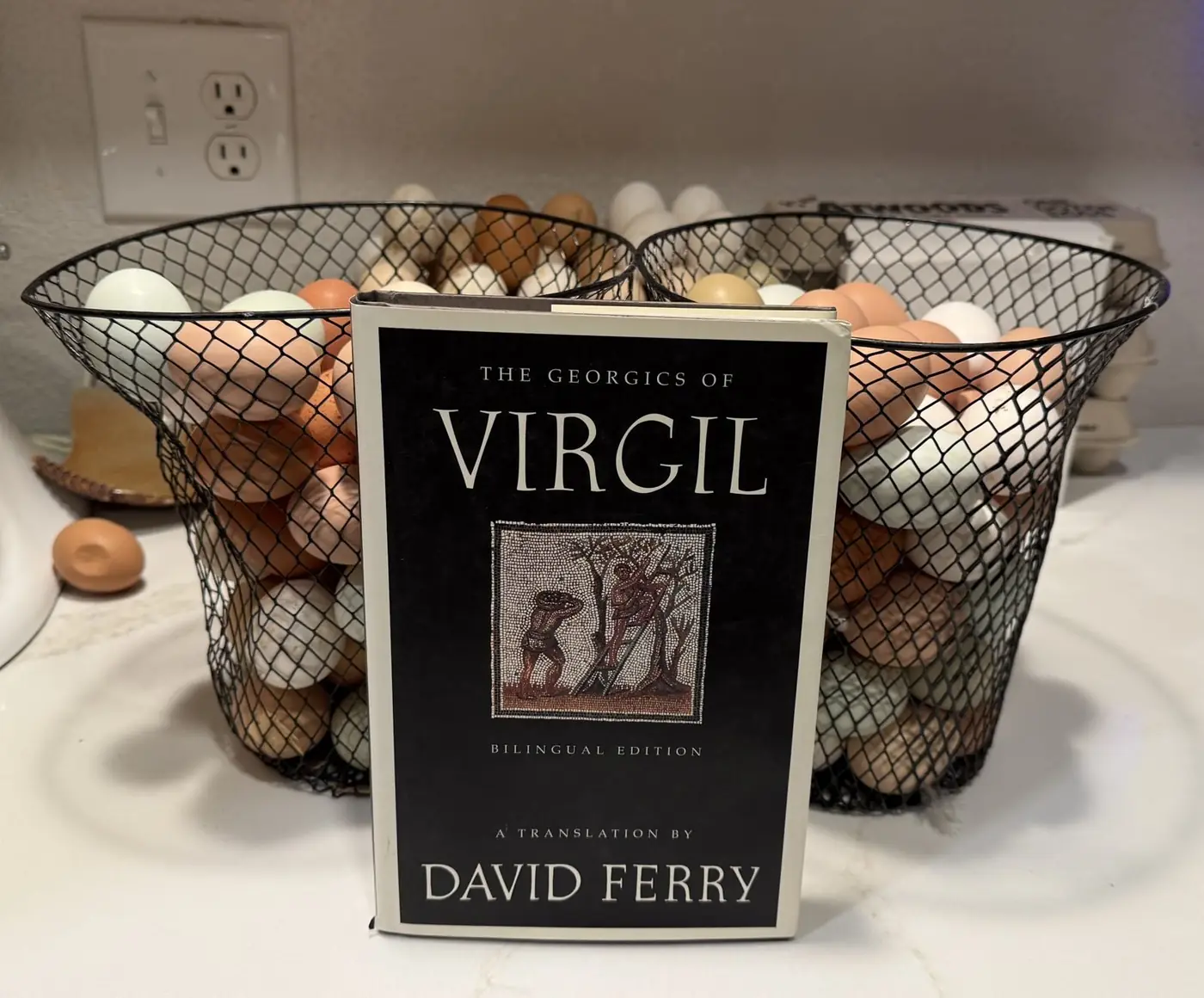
Virgil’s Georgics. About two thousand years ago, Rome’s greatest poet wrote four books about farming: weather, vines, livestock and bees. It is surprisingly practical, and it is full of wonder. Book II, on trees, reads as if it were written for anyone who plants something they’ll wait years to harvest.
“Happy is he who knows the gods of the countryside.”
– Virgil, Georgics II
“O happy, if he knew his happy state,
Virgil, Georgics II · trans. John Dryden
The swain, who, free from business and debate,
Receives his easy food from Nature’s hand,
And just returns of cultivated land!”
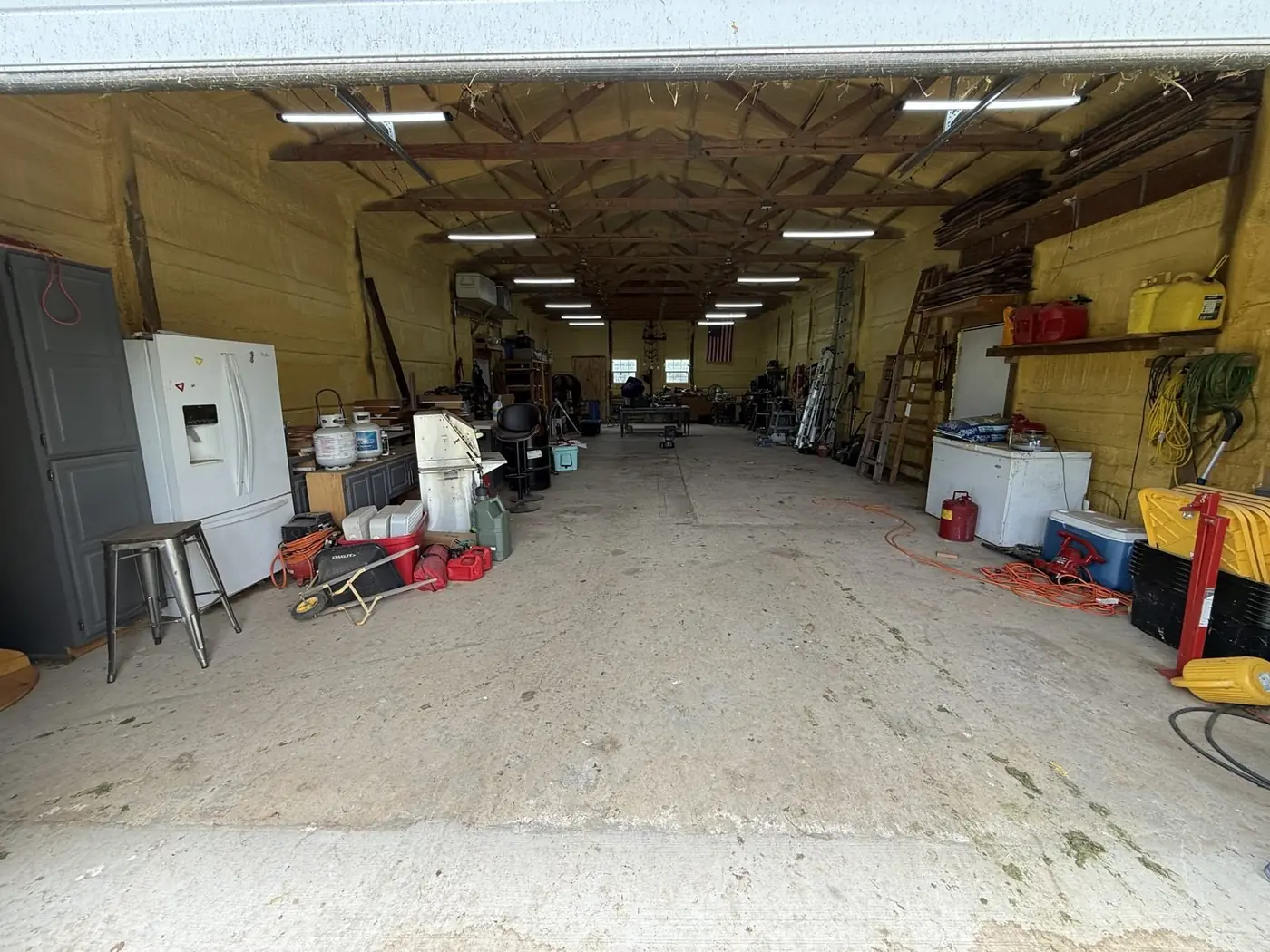
Our 50×60 insulated shop is the farm’s workshop, classroom and storm shelter for projects. It’s where the woodworking happens, where feeders, nest boxes and stand signs get built, and where the kids learn to measure twice. The hens’ coop and run sit under its south awning, which makes for the noisiest and happiest corner of the farm.
The best way to know us is to stop by the stand, read the Prairie Post, or drop us a line.